Don't Let a Plumbing Emergency Scare You This Halloween

Don’t Let Plumbing Problems Haunt Your Home

Halloween may put everyone in a haunting mood, but that doesn’t mean homeowners should be allowed to get spooked by a potential plumbing emergency - not when there are plenty of simple and easy ways to avoid this. Below are the three most effective ways to keep a home’s plumbing system healthy, flowing, and clog-free.

How To Avoid A Sewer Line Clog

drainTo prevent a plumbing emergency, preventing clogs should be a priority. Not only is a clogged sewer line one of the primary reasons behind sewage backups, but it is also among the causes behind some of the most common plumbing problems experienced at home, such as burst pipes and flooding.

Fortunately, preventing a clog from forming within a home’s plumbing system isn’t particularly difficult. This can be done simply by practicing correct waste disposal habits at home. Something as straightforward as keeping grease and other oily food from making its way down the kitchen drain is a good start. This is because oil and grease may go down in liquid form at disposal but tend to solidify once they cool inside the pipes, creating a stubborn clog. Similarly, food scraps should also be disposed of in the trash, not in the kitchen drain, even with a garbage disposal, which should be used only for small food scraps. 

Bathroom drains and toilets should also be well cared for. Homeowners would install drain protectors to keep hair and other debris out of the shower drain and be mindful of the things that get flushed down the toilet. Small quantities of toilet paper are okay; cigarette butts, wipes, copious amounts of toilet paper, feminine hygiene products, and other large, non-biodegradable materials are not. 

Maintain the Plumbing System

Prevention is the key to avoiding a plumbing emergency, which means investing in regular plumbing maintenance. Having a licensed, professional plumber come in at least once a year to inspect the pipes, check for leaks, and examine the overall health of the plumbing system helps homeowners nip minor problems in the bud before they become big issues that may end up creating a world of inconvenience or costing a lot of money to fix.

As part of yearly maintenance efforts, plumbers can also prevent a sewage backup by cleaning drainage, which helps clear any accumulation within the pipes. Hydro jet drain cleaning can address more stubborn blockages, which employing a jet of highly pressurized water that is effective at removing even the most persistent clogs.

Don’t Forget To Maintain the Water Heater Too

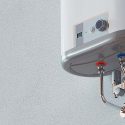
water heater maintenanceWhile drainages and pipes are understandably the priority for plumbing maintenance, water heaters shouldn’t be neglected either since they are also connected to the plumbing system. Water that courses throughout a home’s plumbing system often goes through the water heater, so this very important household appliance - be it a traditional storage tank heater or a tankless one - deserves just as much care as plumbing.

Taking time to have a professional conduct water heater maintenance by checking the water heater for leaks, loose connections, or other damage, as well as regularly flushing the system to get rid of minerals and sediment that may affect its performance, will go a long way in helping prevent plumbing disasters at home.

About B&L Plumbing and Heating

B&L Plumbing and Heating is the trusted plumbing solutions provider in the Colorado Springs area. With a full menu of plumbing services that range from sewer repair and drain cleaning to kitchen plumbing and water softener repair and installation, B&L offers fast and reliable service available 24/7. Not only do they provide quality products and services, but they also make sure their pricing is competitive and that their plumbers leave homes clean and mess-free, giving customers peace of mind and the right education to keep the same problems from happening again. Call them today for plumbing service in Colorado Springs, CO.

Distribution Links +

3 Ways To Help Prevent Sewer Line Clogs

ways to help prevent sewer line clogs

Say Goodbye To Drain Clogs!

A clogged sewer line is one of the most frustrating plumbing issues homeowners can face. Since the sewer line handles the wastewater from all of the home’s drains, if it becomes clogged, it can affect every drain in the house. This can lead to nasty odors, slow-moving drains, and even sewage backups – so homeowners must do everything they can to avoid clogs. This article will outline three easy ways to help prevent drain clogs and keep the home’s plumbing system flowing smoothly!

Schedule Professional Drain Cleaning

Hydrojetting machine nozzle cleaning sewer pipes, demonstrating professional drain cleaning services to prevent clogs.The first way to prevent clogged sewer lines is to have the home’s drains cleaned by a professional as part of routine plumbing maintenance. Drain cleaning typically involves using a hydrojetting machine like a pressure washer for drain pipes. A drain cleaning technician will open the home’s sewer line cleanout and feed in a hose with a high-powered water nozzle, breaking blockages apart and cleaning residue off the pipe walls.

Hydrojet drain cleaning can also remove clogs and nasty buildup from the home’s drain pipes, reducing the likelihood of future clogs. For most homes, professional drain cleaning can be done once every 1-3 years, depending on how well the homeowners maintain their drains themselves (more on that below). 

Put Mesh Drain Screens In Sinks and Showers

Mesh drain screen for sinks and showers designed to capture hair and food solids, preventing clogs and promoting effective drainage.Homeowners can help prevent drain clogs between drain cleaning services by limiting how much debris goes down the drains. One great way to do this is with mesh drain screens, which capture larger objects while still allowing water to go through. Things like hair and food solids contributing to clogs will be stopped from going down the drains, drastically lowering the chance of clogged pipes.

Drain screens and hair catchers are designed for virtually every kind of drain, so this is a convenient and inexpensive way to keep as much solid waste out of the drains as possible.

Limit What Food Waste Goes Down the Kitchen Sink

The kitchen sink is one area where drain screens come in handy the most, thanks to all the food waste and scraps from dirty dishes and food prep. Of course, some kitchen sinks have garbage disposals to break food solids into smaller particles. But even if homeowners use a garbage disposal or mesh screens, some food items can still cause problems.

Cooking oil and grease are two of the biggest culprits behind sewer line clogs since they can get stuck in the sewer line and solidify as they cool, forming a mire that captures other bits of waste. Instead of putting grease and oil down the drain, homeowners can put them in sealed containers and throw them in the trash bin. Things like coffee grounds and eggshells can also get stuck in pipes and should be put in the trash instead.

By utilizing the tips above, homeowners can prevent the vast majority of drain clogs and keep their plumbing systems clean and in great shape!

About B&L Plumbing and Heating

The award-winning B&L Plumbing and Heating has been serving Colorado Springs with pride since 1999. Their trustworthy, licensed technicians always arrive on time in fully-stocked trucks and do the job right the first time. They offer up-front competitive pricing, personalized solutions, a money-saving maintenance plan, and 24/7 emergency service with no after-hours fees – so there’s no one better to call for drain cleaning services in Colorado Springs, CO!

Distribution Links +

Frequently Asked Questions About Slab Leaks

frequently asked questions about slab leaks

What Exactly Is a Slab Leak? 

Picture a single-story house. Red door, four-paned windows––nothing special. The house itself rests on a slab, a piece of concrete that usually serves as the ground floor. Many homeowners can live in a house for decades and never give the foundation a second thought. Yet, if they experience high water bills, low water pressure, and other plumbing issues, there could be a slab leak. 

Some reasons for slab leaks include root intrusion, shifting soil from rainstorms, and other things completely out of homeowners' control. Yet, while this situation may seem overwhelming, one has options if they suspect a slab leak. For instance, they could consult a plumber in their area. They can identify the source of the problem and get to work repairing it. 

What Are Some Slab Leak Signs? 

Money being poured into a toilet, symbolizing wasted resources and high water bills due to potential slab leaks.A slab leak can fester for months before it shows apparent signs. That's why knowing the symptoms of such a leak is so important. The sooner a homeowner gets a professional's help, the more damage they can mitigate. Some signs of a slab leak include: 

  • Warm spots on the floor. A homeowner's bare feet may sense warmer tiles, planks, and flooring than usual. That could mean a hot water leak, and the homeowner feels the water's warmth pooling beneath the floorboards. 
  • High water bills, no visible leak. The Environmental Protection Agency (EPA) notes that most homeowners spend about $100 a month on their water bill. Yet, with an undetected leak, one could pay even more. 
  • Cracks in the floors or walls. The home's foundation may shift as a slab leak worsens, causing walls and floors to splinter. 

Are Slab Leaks Dangerous? 

A slab leak is no laughing matter. Some dangers of unaddressed slab leaks include: 

  • Mold and mildew growth. Where there's a leak, mold growth isn't far behind. Healthline notes that this substance can cause respiratory problems, such as coughing, sneezing, and wheezing. It also can eat away at a home's drywall and structure. 
  • A weakened foundation. If a home doesn't have a solid foundation, the county may deem it unsafe to inhabit. A weak foundation can lead to structural collapse, electrical fires, and other dangers. 
  • Slips and falls. A slab leak can cause water to seep through the home's floorboards. These puddles can put homeowners (especially seniors) at risk of serious fall accidents. The Centers for Disease Control and Prevention (CDC) notes that slips can cause spinal cord trauma and traumatic brain injuries. 

How Can a Professional Fix a Slab Leak? 

Hand holding a thermal imaging camera displaying heat signatures, used by professionals to detect slab leaks and assess water damage beneath flooring.Some things in life have a way of fixing themselves. Unfortunately, slab leaks are not one of them. They need immediate attention, or else the issue risks worsening. A professional may fix a slab leak by: 

  • Locating the leak's location
  • Isolating the area
  • Removing a section of flooring
  • Replacing or repairing the leaking pipe
  • Repaving over the area

A plumber can also offer special insight into how to prevent future slab leaks. 

About B&L Plumbing and Heating 

A slab leak can quickly lead to water damage, property destruction, and other headaches. That's why B&L Plumbing and Heating offers prompt, same-day service to its friends and neighbors in Colorado Springs, CO. Relying on their specialized training and unique skill set, these professionals know how to get jobs done quickly. Call now for slab leak services! 

Distribution Links +

Identifying Problems With The Hot Water Heater

identifying problems with the hot water heater

3 Ways to Identify a Malfunctioning Water Heater

If a home plumbing system has a heart, it is not the toilet or kitchen sink but the water heater. It helps with the everyday chores of keeping the home clean and comfortable and assisting with cooking. Problems with the hot water can upend a whole routine and easily cause disgruntled feelings among the household members. Like most appliances, a water heater shows signs that it needs maintenance and repair before it stops working. These indicators for water heater repair or replacement are discussed below.

Banging and Popping Sounds

Woman covering her ears in distress, illustrating the alarming sounds from a malfunctioning water heater.If a homeowner has neglected their water heater maintenance or the home has hard water, then sediment can build up in the tank. This can result in poor recovery, that is, how quickly the tank of water comes back up to the optimal temperature after being depleted, and unpleasant sounds can result. Since the water heater is normally quiet, a loud noise from it can certainly be alarming, but it can also indicate a couple of different issues described in the following list.

  • Anode Rod Replacement: One of the reasons for sediment buildup is the need to replace the anode rod. This is a special piece of equipment that attracts positive ions in the water to prevent corrosion. This leads to a breaking down of the anode rod instead of inside the water heater tank. Because it breaks down, it needs to be replaced occasionally to have a fully functioning water heater.
  • Hard Water: Around 90% of the homes in the United States have hard water. It is not harmful for human consumption, but its high mineral content can leave calcium and magnesium deposits in pipes and hot water tanks. Flushing the hot water tank can solve this problem.

Professional maintenance is needed to lengthen any appliance's life, including water heaters. Even tankless water heater maintenance is necessary.

Water is Discolored or Smells Bad

Discolored water flowing from faucet into sink, indicating potential corrosion in water heater, relevant to plumbing maintenance issues.If water comes out of the tap discolored or metallic smelling, this can point to a corroded water heater. This can be due to a lack of maintenance or just age. If the interior lining of the water heater gets damaged, it can expose the tank's metal to corrosive elements. This can cause a host of issues throughout the house.

  • Laundry that doesn't come clean
  • Foul tasting water
  • Spotty dishes
  • Stinky laundry
  • Tank Leaks

If the tank is corroded, repair is not an option. Water heater replacement is needed.

The Hot Water Tank is Leaking

A leaking water heater can sometimes be repaired by simply tightening the plumbing connections or replacing the pressure release valve. These repairs should be assessed and performed by a plumbing professional. As previously stated, certain problems, such as corrosion, cannot be repaired; only an entire replacement will work. 

About B&L Plumbing and Heating

When homeowners need a plumber with no after-hours fees, they should call B & L Plumbing. They serve Colorado Springs, CO, and the surrounding areas with 24-hour emergency water heater service.

Distribution Links +

Use Less Water, Spend Less Money, Save On Summer

use less water, spend less money, save on summer, pblpgbirqz60cfujexesgqokesrigclvdgaoha1j

Save Water and Save Money This Summer

In this area of the US, people are in great debates about the future of the Colorado River and all the people, animals, and farmland it supplies. While everyone may not be able to join in drafting laws on how to conserve water, every homeowner and household can do their part to lower their water bill. Summer is a particularly hard time for water conservation, and this article will share a few ideas on how to make saving water more feasible with new technology and a few tried and true conservation methods.

Replace Old Fixtures With Water Saving Devices

While this tip takes spending money to save money and water, the items listed here will eventually pay for themselves. Installing new fixtures that help the household use less water is a no-brainer. Once the item is installed, the homeowner can forget it and watch their water bill decrease. The following list contains some of the most common water conservation devices.

  • Low Flow Showerhead: These devices look like the average showerhead, but they reduce the amount of water coming out of the pipe when turned on. This is engineered to reduce the water flow without sacrificing much water pressure, so it is a win-win situation.
  • Water Saving Toilet: Regulations on how much water a toilet can use have grown stricter over the last 20 or 30 years. Whereas toilets used to use up to 5 gallons of water, they now tend to use less than 2 gallons. Dual flush toilets can use as little as .6 gallons for a flush.
  • Touchless Faucet: This can be installed in the kitchen and the bathroom. The touchless faucet conserves water, prevents germ spread, and keeps surfaces cleaner because dirty hands don’t have to touch it to turn it on. 

Schedule Watering the Lawn in A Precise Way

Everybody likes green, healthy grass in their yard. Watering the lawn is often a point of contention for those who want to conserve water, but a happy medium can be found. If a homeowner waters their lawn early in the morning, that will give the plants the best chance at absorption and keep them healthy. Allowing rainwater to be a source of watering is also recommended. There is no need to water from the hose if there has been rain.

Basic Practices for Minimal Water Usage

The oldest tricks for water conservation still work. A bit of mindfulness can go a long way. Listed below are a few tried and true methods of saving water.

  • Turn off the tap when brushing your teeth or shaving
  • Turn off the tap while washing and rinsing dishes by hand
  • Limit the use of the hose
  • Consider a soaker hose installation in a garden

About B&L Plumbing and Heating

Veteran-owned B&L Plumbing and Heating offers 24/7 emergency plumbing service to Colorado Springs, CO, and the surrounding communities with no after-hours fees. Call today for peace of mind and competitive pricing.