
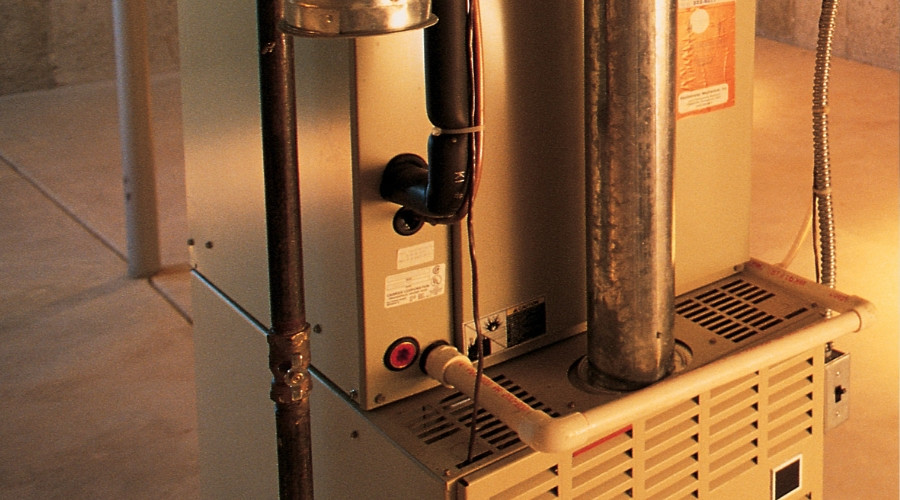
When to Call for Heater Repair
As temperatures drop across Colorado Springs, a reliable heating system becomes essential for comfort and safety. Subtle changes in performance often signal underlying mechanical issues that reduce energy efficiency and strain critical components. Recognizing these warning signs early leads to timely heater repair and restores dependable indoor warmth.
High Utility Bills
 Heating costs often rise gradually at the start of the season, yet a sudden spike in utility bills usually points to declining system efficiency. Worn components, clogged filters, or a malfunctioning heat exchanger can force the furnace to work harder to maintain thermostat settings. Increased runtime translates directly into higher energy consumption and unnecessary expense.
As internal parts experience strain, airflow may become restricted within the ductwork. Reduced airflow limits heat distribution and causes longer heating cycles that compound operational costs. Professional heater repair addresses faulty components and recalibrates the system for optimal performance.
Restoring efficiency not only lowers monthly expenses but also extends equipment lifespan. A properly serviced furnace operates within manufacturer specifications and maintains consistent output. Prompt attention to abnormal heating costs often prevents larger mechanical failures later in the season.
Unusual Sounds or Smells
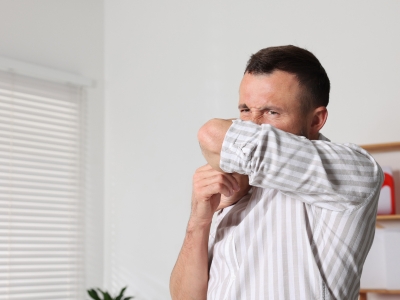 A well-functioning heater typically operates with minimal noise and no noticeable odor. When banging, rattling, or squealing sounds emerge, internal components such as blower motors or belts may require adjustment or replacement. Ignoring these sounds can allow minor wear to evolve into major system damage.
Strange smells also serve as important warning signals within a heating system. A burning odor may indicate dust accumulation on heating elements or potential electrical issues within wiring connections. Persistent or sharp smells can suggest overheating parts that demand immediate inspection.
Timely diagnostic service isolates the source of unusual sounds or odors before safety risks increase. Technicians evaluate ignition systems, burners, and ventilation pathways to ensure safe operation. Addressing these symptoms quickly protects indoor air quality and preserves heating reliability.
Insufficient Heating
Uneven temperatures throughout a home often reveal problems within the heating system. Cold spots in certain rooms may indicate duct leaks, failing blower motors, or thermostat calibration issues. When indoor spaces never reach the desired temperature, system inefficiency becomes evident.
Extended heating cycles without adequate warmth suggest reduced heat output from the furnace. A compromised heat exchanger or restricted airflow can prevent proper distribution of conditioned air. Continued operation under these conditions places stress on vital components and increases the likelihood of breakdown.
Professional heater repair restores balanced airflow and consistent temperature control. Comprehensive inspections identify the root cause of insufficient heating and correct performance deficiencies.
Call B&L Plumbing and Heating
B&L Plumbing and Heating is a dependable AC, heating, and plumbing company serving the Colorado Springs, CO, community. They offer competitive pricing, fully-stocked trucks, and a no mess guarantee. Call them for heater repair in Colorado Springs, CO.
)
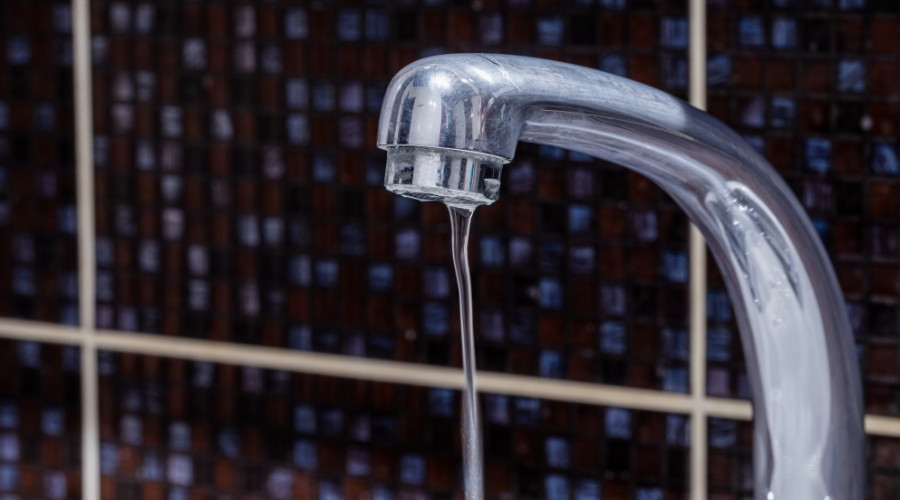
 Low water pressure affecting only one faucet or showerhead often points to a fixture-related issue. Mineral buildup, internal wear, or clogs inside the fixture can restrict water flow. Fixture replacement or professional cleaning can restore proper pressure.
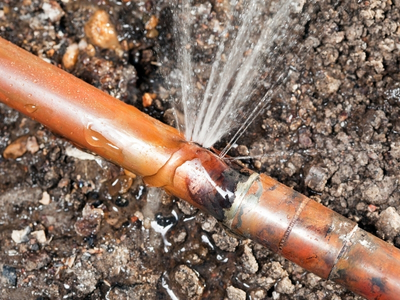 Leaks within water lines often reduce water pressure across multiple fixtures. Escaping water lowers available flow and places added strain on the plumbing system. Undetected leaks can also increase water bills and cause structural damage.
)
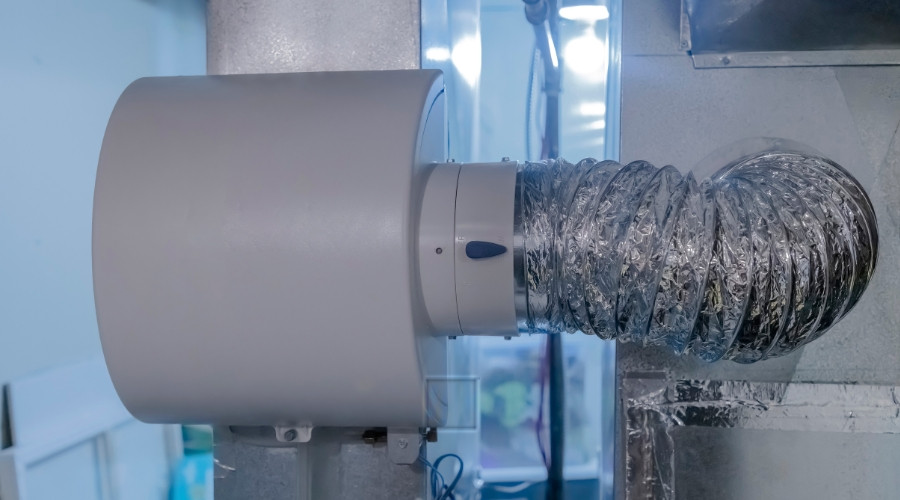
 Several clues suggest that indoor air has become too dry and that whole-house
  The
The )
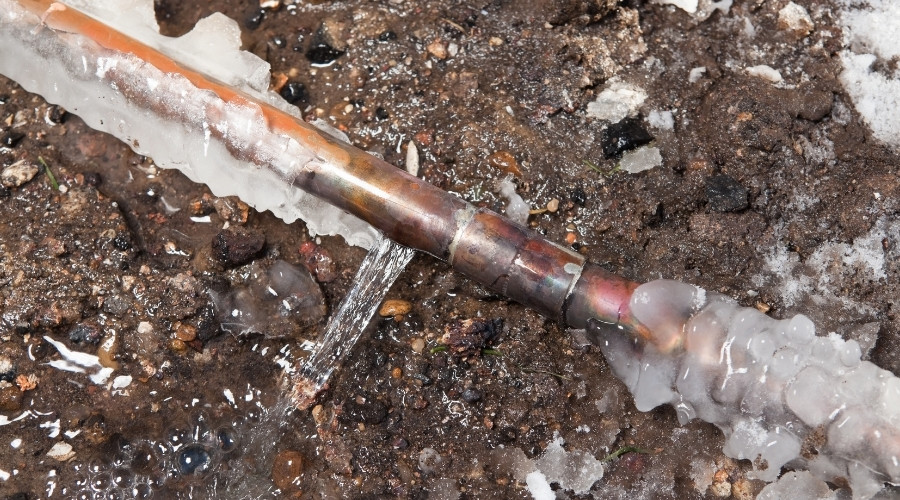
 One of the most effective defenses against frozen pipes is proper pipe insulation. Pipes running through unconditioned or drafty areas—such as attics, crawl spaces, unfinished basements, and garages—are especially vulnerable to
  Indoor heating is another critical factor in preventing freezing pipes. Keeping the heating system running and setting the thermostat to a consistent temperature during cold weather helps maintain warmer air throughout the home, including in cooler corners and along exterior walls. Allowing indoor temperatures to drop too low overnight or during absences increases the chances that water inside pipes will freeze, particularly in marginal areas such as basements, over-garage rooms, or add-on spaces.
)
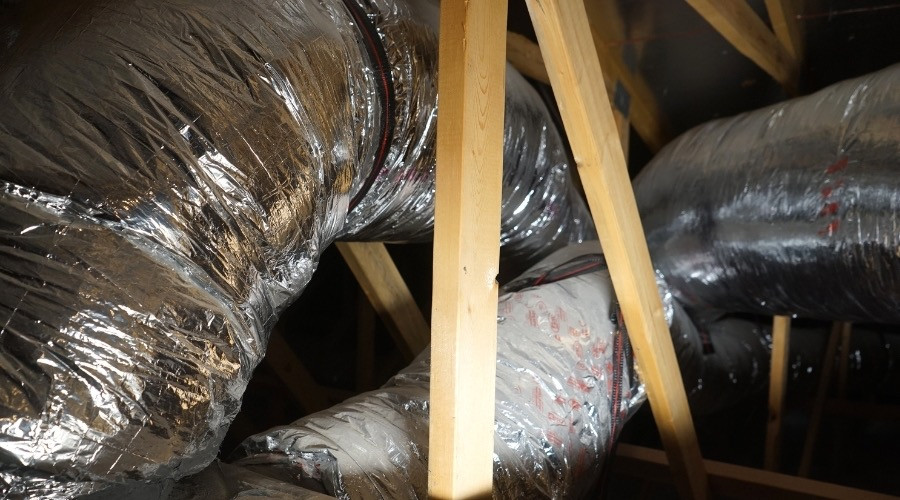
 HVAC systems often signal distress through the ductwork long before a full failure. Excess dust settling shortly after cleaning, faster‑than‑usual filter loading, or visible puffs at supply registers can indicate gaps that pull debris from attics, crawlspaces, or wall cavities. That infiltration then recirculates through the air duct network and affects comfort and cleanliness indoors.
 Air ducts operate out of sight, but conditions inside them influence everyday comfort and system efficiency. Over time, dust, pet dander, and construction debris can accumulate on internal surfaces. Without periodic air duct maintenance, that buildup can re‑enter rooms, settle on surfaces, and increase static pressure, making the blower work harder to move air.
 )