Does the Household Need a Water Softener or a Water Filtration System?

Water Softeners vs. Water Filtration Systems

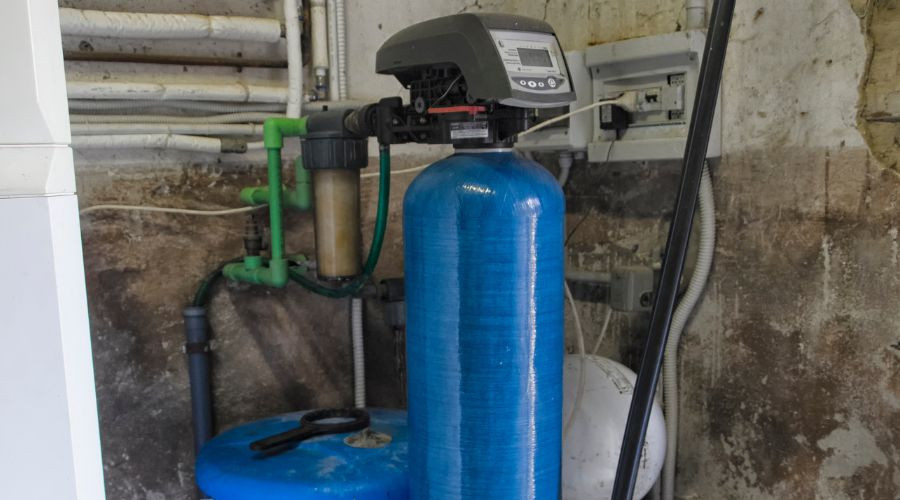
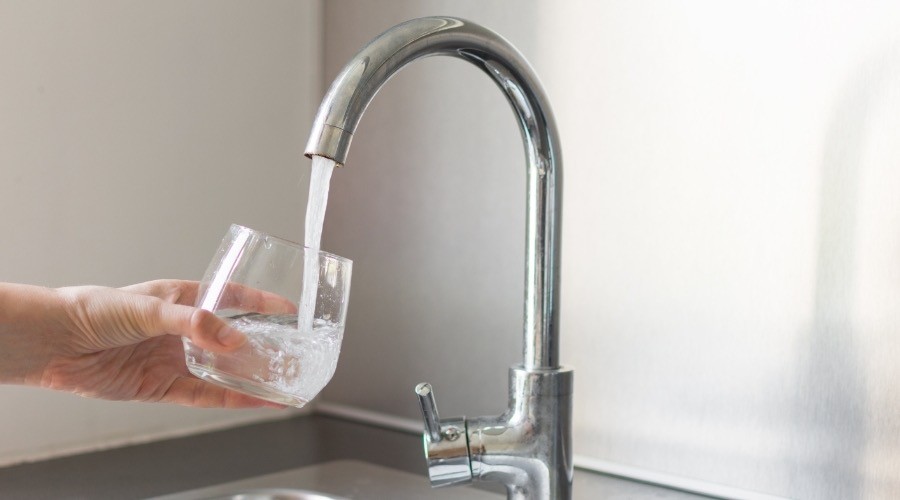
When evaluating home water treatment solutions, many homeowners struggle to distinguish between water softeners and water filtration systems. Although both upgrades significantly improve overall water quality, they are engineered to resolve different issues within a household plumbing system. Understanding the specific function of each technology is essential for homeowners to select the right equipment for their unique needs.

The Difference Between Water Softeners and Water Filtration Systems

While both water softeners and water filtration systems work to improve overall water quality, they serve distinct purposes. A water softener is specifically designed to target hard water minerals like calcium and magnesium. By removing these minerals, it prevents scale buildup in plumbing and water-using appliances, effectively extending their lifespans and boosting energy efficiency for systems like the water heater. In contrast, a water filtration system focuses on removing contaminants, impurities, and chemicals, ensuring that the water flowing from taps is safer, cleaner, and better-tasting.

Signs to Install a Water Softener
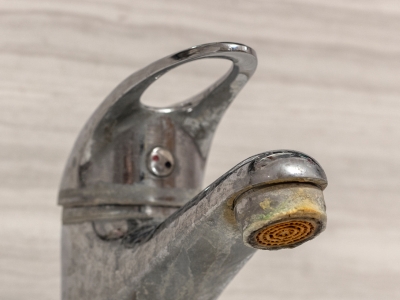
sinkRecognizing the signs of hard water can help homeowners determine if a whole home water softener is the right choice. Common indicators that suggest a need for water softener installation include:

  • Visible mineral and scale buildup on faucets, showerheads, and other fixtures.
  • Skin and hair that feels dry, itchy, or irritated after washing.
  • Persistent spots on dishes, glasses, and silverware even after a dishwasher cycle.
  • Laundry that feels stiff, rough, or fades prematurely.

Signs to Install a Water Filtration System
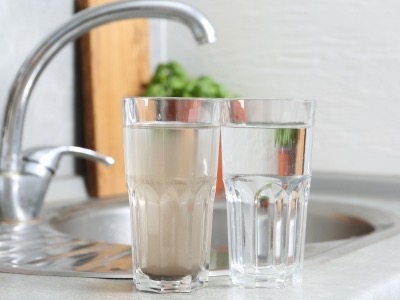
dirty water For those concerned about water purity, identifying the need for a water filtration system installation or a whole home water filter is crucial. Signs that indicate a water filtration system installation or water filter installation might be beneficial include:

  • Water that has a strange, metallic, or otherwise unpleasant taste.
  • Water that emits an unusual smell, such as chlorine or sulfur.
  • Cloudy or discolored water coming from the tap.
  • General concerns regarding potential contaminants, sediment, or unwanted chemicals in the municipal or well water supply.

Implementing a whole-home water filtration system can provide peace of mind by ensuring high-quality water throughout the entire residence.

About B&L Plumbing and Heating

B&L Plumbing and Heating is a plumbing and heating company based in the Colorado Springs, CO area. They provide competitive pricing, quality products, and emergency 24/7 service. Call for water softener or water filtration system installation in Colorado Springs, CO.

Advantages of Installing a Water Softener

Why Soften Hard Water?

Hard water creates daily challenges by damaging appliances and leaving behind unsightly spots on dishes and surfaces. Mineral buildup leads to higher maintenance costs and reduces the lifespan of water-using equipment. Installing a water softener eliminates these issues at the source, offering a reliable and long-term solution. This simple upgrade enhances property value and creates a more comfortable, low-maintenance living environment.

Protection for the Plumbing and Appliances

Hard water causes gradual mineral accumulation inside pipes, which restricts water flow and lowers pressure throughout the plumbing system. These deposits make it easier for debris to catch and form clogs, increasing the need for costly repairs. By softening the water, scale buildup is prevented, allowing the plumbing to function efficiently for many years.

Softened water also protects appliances such as dishwashers and water heaters from internal damage. Without constant scale formation, these machines operate more effectively and require less frequent maintenance. As a result, both water flow and appliance efficiency improve significantly.

Improved Appliance Efficiency and Cost Savings

Softened water increases appliance efficiency, leading to lower energy usage and reduced utility bills. Without mineral buildup, appliances like water heaters and washing machines operate under less strain. This allows them to perform at optimal levels, conserving energy with every use.

The extended lifespan of appliances is another key benefit. Hard water shortens equipment durability by damaging internal components, while softened water helps appliances last 30–50% longer. This reduction in wear and tear minimizes repair costs and delays the need for replacements. In the long term, the initial investment in a water softening system often pays for itself.

More Effective Cleaning

more effective cleaningSoftened water eliminates common hard water problems such as spots on dishes and cloudy glassware. Appliances like dishwashers clean more thoroughly when freed from mineral interference. The absence of hard deposits allows detergents to rinse away cleanly, leaving surfaces sparkling.

Laundry also benefits from soft water. Fabrics retain color and softness much longer, avoiding the stiffness caused by mineral buildup. Additionally, the need for cleaning products decreases significantly because soap reacts more efficiently in softened water. This not only lowers household costs but also contributes to a more environmentally responsible lifestyle.

Healthier Skin and Hair

healthier skin and hairSoftened water helps improve the condition of skin and hair by removing minerals that interfere with soaps and shampoos. Hard water leaves behind residue that clogs pores and strips away natural oils, contributing to dryness and irritation.

When bathing with softened water, skin tends to feel more hydrated and smooth, while soaps rinse away more completely. Hair becomes softer and easier to manage without the weight of mineral deposits. These benefits are especially noticeable for chemically treated or sensitive hair types, making soft water a valuable part of a personal care routine.

Call B&L Plumbing and Heating

B&L Plumbing and Heating is a dependable AC, heating, and plumbing company serving Colorado Springs, CO. They offer competitive pricing, fully stocked trucks, and a no-mess guarantee. Call them for water softener installation & repair services in Colorado Springs, CO.

Reasons to Install a Water Softener This Spring

How Do Water Softeners Work? 

A water softener is a device that is engineered specifically to treat hard water. How can water be hard? Water becomes hard when it dissolves certain minerals in its journey through the water cycle. These minerals become part of the water and are hard to remove on a municipal scale. They can, however, be removed on a smaller scale, like in a home, for a low cost. This is good news for the 85% of Americans with hard water in their homes.  

Why is having soft water a good thing? Water is the basis for so much of modern society. While hard water is fine to drink, with the possible exception of having a bad taste, it can interfere with every other use for water. Water carrying a high mineral load can interfere with cleaning, ruin plumbing, and cause negative health effects. Here are three ways that installing a water softener can help every home. 

Makes Cleaning Practices More Effective 

cleaningRemember the adage, “Oil and water don’t mix.” This is a true statement that is easily illustrated in a grade-school classroom. The secret to getting oil and water to mix is chemicals known as soaps and detergents. These chemicals are special because they can interact with water, oils, and even dirt. 

When minerals are present in water in the form of hardness, the ions interfere with water’s ability to interact with soaps and detergents. This leads to several problems: 

  • Faded clothing
  • Deposited stains and soil on clothing
  • Spotted dishes with no luster 
  • The dull sheen on cleaned surfaces
  • Soap scum buildup on bathtubs and sinks 

Using soft water in the home can be more effective in sweeping away dirt. Consider installing a water softener for brighter clothing, cleaner dishes, and a cleaner home in general. 

Keeps the Plumbing Safe 

A second problem associated with hard water is higher plumbing bills. When water carries extra minerals around, the minerals tend to deposit themselves into piping and plumbing fixtures. This leads to unsightly scale as well as problems with water pressure. This scale can be particularly harmful in water heaters, lowering efficacy and volume. Installing a water heater can protect plumbing and restore the water heater to proper operation. 

Improves the Health of Hair and Skin 

healthOne of the more annoying consequences of hard water’s diminished capacity to remove soils is its effect on health. When water can’t effectively wash away soaps and soil, the grime stays on the hair and skin, leaving a dull film that adversely affects its health and appearance. This is most evident in dry hair and skin. 

Instead of letting hard water take a toll on the health and appearance of the family, why not look into water softener installation? Installing a water softener can allow the water in the home to completely wash away soap residues and grime, leaving the home healthier and cleaner. 

About B&L Plumbing and Heating

B&L Plumbing and Heating has the plumbing solutions every home needs. With residential and commercial water softener services, they can help every home or business get the most from their water. Call today for a plumbing service in Colorado Springs, CO. 

How To Choose a Water Softener

Reasons To Install a Water Softener 

There are many reasons to install a water softener in a home or business, and it’s important to grasp the symptoms and effects that hard water has on a plumbing system and appliances. Hard water has lots of hard minerals like calcium and magnesium in it. While water filtration will remove harmful bacteria and disease-causing organisms, calcium and magnesium are not harmful to drink. Still, they can be annoying and even shorten the life of appliances. 

Either city water or well water can be hard, although well water tends to have a higher mineral content than city water since it comes straight out of the ground. 

In this article, experts share helpful tips for homeowners to find their ideal unit. 

The Benefits of Water Softeners

blue puzzle

Hard water is full of minerals, and these minerals will build up in pipes, fixtures, appliances, and anywhere else that water is used. The minerals often leave a white scale on the surface of a faucet or in a sink. This can lead to serious build up over time, and if significant enough, can cause washing machines and dishwashers to break sooner than expected. Hard water will also leave spots and residue on dishes. Laundry can become stiff and not feel as clean as it should. Many people even experience dry, itchy skin or hair from hard water. 

When any of the hard water symptoms are present, it’s time to consider a water softener! Water softeners can be installed for an entire house, effectively eliminating any issues that hard water causes. There are two main types of water softeners, salt-based and not salt-based.

How Do Salt-Based Water Softeners Work?

throwing salt into a water softer

The first type of water softener is salt or sodium-based. These filters use sodium to remove excess mineral content. Because they fully remove the mineral build-up, these types of filters are the most effective, but there are still some things to consider. Salt filters exchange the ions holding the minerals and replace them with sodium ions instead. This does add salt to the water, but it does not change the taste or flavor of the water. 

There is some concern over the fact that it increases the sodium level, but the amount it raises sodium is quite low and is generally not considered a health concern. Salt-based water softeners are the most common and effective treatment for hard water, but they require regular maintenance to function properly.

Understanding Salt-Free Water Softeners

red letters

There are two main types of salt-free softeners: potassium and magnetic. Magnetic softeners are not particularly effective. They remove impurities by passing the water through a magnetic field. This will temporarily remove impurities, but the minerals will work their way back into the system if the water sits for too long. 

Potassium water softeners are the more common and effective variety of non-salt based softeners. They work by passing the water through potassium pellets, which crystallizes the minerals. This type of system is more of a conditioner than a softener - the minerals are still in the water; they are just less able to stick to pipes and fixtures.

Potassium-based systems require a bit less upkeep but aren’t as effective, and may allow some scale to build-up (although significantly less than not treating it period). When they do require maintenance, it usually costs more than a salt-based softener. 

Ultimately either type of water softener will be a game-changer in the home. Deciding between salt or potassium-based softeners is up to the homeowner, but consulting with a good local plumber will often give better insight into exactly what works best in a given area. 

Trust a Local Plumber

B&L Plumbing and Heating has been serving the Colorado Springs area since 1999. This veteran-owned company provides full plumbing services, with 24 hour service across Colorado Springs. They offer competitive rates and do not charge a fee for after-hours service.