Winter Plumbing Protection: Simple Steps to Prevent Frozen Pipes

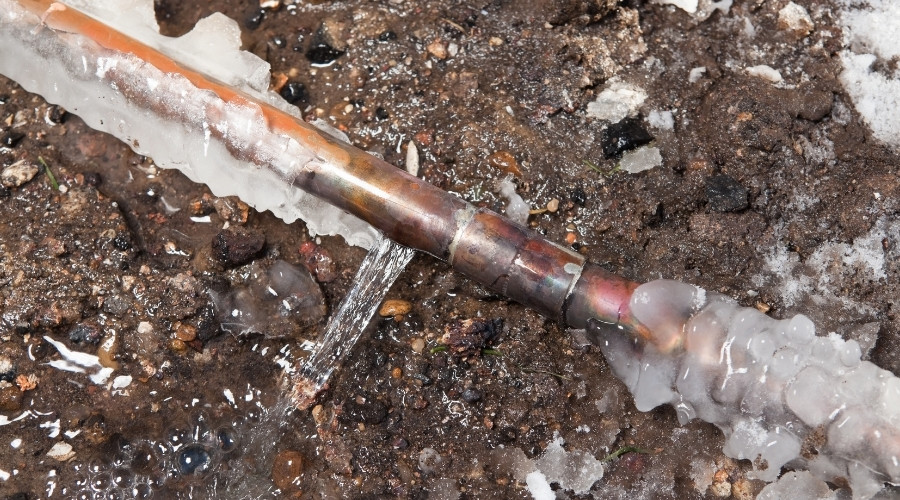
Frozen copper pipe with ice and water leakage, illustrating plumbing issues during winter, relevant to preventing frozen pipes and plumbing protection tips.

How to Prevent Frozen Pipes This Winter

When winter arrives, plumbing systems face additional stress from low temperatures and cold drafts, especially in older or less-insulated homes. Frozen pipes can quickly lead to a pipe burst, causing water damage, expensive repairs, and major disruption. This post explains practical ways to protect plumbing during colder weather, offering an overview of insulating vulnerable pipes, using indoor heat wisely, and winterizing outdoor faucets to help prevent freezing pipes and related damage.

Insulate the Pipes

Hand holding pipe insulation foam being applied to copper plumbing, emphasizing winter plumbing protection techniques to prevent frozen pipes.One of the most effective defenses against frozen pipes is proper pipe insulation. Pipes running through unconditioned or drafty areas—such as attics, crawl spaces, unfinished basements, and garages—are especially vulnerable to freezing pipes. In these spaces, cold air circulates freely, and water inside unprotected lines can freeze, expand, and cause a pipe burst before anyone notices a problem.

Adding pipe insulation around exposed lines helps slow heat loss from the water inside. Foam sleeves, fiberglass wraps, or specialized insulating tape can be used to insulate pipes of different sizes and materials. Extra attention should be given to plumbing along exterior walls, near windows or doors, and in areas that have experienced frozen pipes in previous winters. Taking time to insulate pipes in these trouble spots greatly reduces the risk of a sudden burst pipe.

Pipe insulation also offers comfort and efficiency benefits. Insulated hot water lines tend to retain heat longer, reducing the wait for warm water at fixtures and limiting wasted water. For homes in regions with frequent cold snaps, investing in quality pipe insulation is a simple, cost-effective step toward long-term protection.

Keep the Heat on and Open Cabinets

Cabinet under sink showing plumbing pipes and trash bin, highlighting the importance of keeping cabinet doors open to circulate warm air and prevent frozen pipes during winter.Indoor heating is another critical factor in preventing freezing pipes. Keeping the heating system running and setting the thermostat to a consistent temperature during cold weather helps maintain warmer air throughout the home, including in cooler corners and along exterior walls. Allowing indoor temperatures to drop too low overnight or during absences increases the chances that water inside pipes will freeze, particularly in marginal areas such as basements, over-garage rooms, or add-on spaces.

Opening cabinet doors that hide plumbing is a small step that can make a significant difference. Cabinets under kitchen and bathroom sinks often contain pipes located against exterior walls. With doors closed, cold air can become trapped inside these spaces, lowering pipe temperatures quickly. Leaving cabinet doors open allows warmer room air to circulate around the pipes, helping prevent freezing.

Together, steady indoor heat and open cabinets work with existing pipe insulation to create multiple layers of protection. When combined with routine heating system maintenance to ensure reliable operation during the coldest nights, these practices significantly reduce the likelihood of a pipe burst and costly water damage.

Winterize Outdoor Faucets

Exterior plumbing fixtures face the harshest conditions in winter, making each outdoor faucet a priority for cold-weather preparation. Water trapped in exterior lines or attached hoses can freeze and expand, placing pressure on both the faucet and the interior piping that feeds it. Proper winterization greatly lowers the risk of freeze-related damage.

The process begins with disconnecting any hoses or attachments from every outdoor faucet. Hoses should be fully drained and stored indoors so that residual water cannot freeze and back up into supply lines. After hoses are removed, the indoor shutoff valve that controls water to each outdoor faucet should be turned off, if one is available.

Once the supply is shut off, open the outdoor faucet to drain any remaining water from the line. Allowing water to run until it stops helps ensure that little or no liquid remains to freeze inside the pipe. Leaving the faucet slightly open afterward allows for minor expansion if a small amount of water remains. As a final layer of protection, an insulating cover should be placed over each outdoor faucet to shield it from wind and cold air.

When hoses are disconnected and drained, interior shutoff valves are closed, lines are emptied, and every outdoor faucet is protected with an insulating cover, the overall risk of freezing pipes and a damaging pipe burst drops dramatically. Combined with efforts to insulate pipes and maintain indoor warmth, these steps form a strong defense against winter plumbing emergencies.

About B&L Plumbing and Heating

B&L Plumbing and Heating is a highly rated plumbing, heating, and cooling company providing tailored solutions from certified technicians in Colorado Springs and the surrounding areas. Call them today for quality products and competitive pricing on burst pipe repair service in Colorado Springs, CO.

Professional Tips to Prevent Frozen Pipes Over the Winter

professional tips to prevent frozen pipes over the winter, hborncajxbur2xabehxnjcmvzqthubdotmlinrgf

Preventing Frozen Pipes During the Winter

Winter is coming, and temperatures have already dropped. It’s time for homeowners to prepare everything for the winter so that their home is ready to weather the season. One of the main aspects of winterizing the home in the fall is preparing the plumbing to withstand the cold. 

During the winter, the pipes in the home can take a lot of abuse. When temperatures drop below freezing, pipes that aren’t properly protected can freeze. Frozen pipes have a lot of potential to cause damage around the home, so owners must take steps to prevent them. Here is a quick guide to help owners prepare their plumbing for winter. 

The Dangers of Frozen Pipes 

Frozen copper pipe with a visible crack and ice buildup, illustrating the dangers of frozen pipes during winter.The water inside the piping is susceptible to freezing. Once the temperatures dip below 32 degrees, water will slowly freeze. The further the temperature drops, the faster this process will be. 

A frozen pipe by itself is a hassle. Losing access to water at a sink or outdoor spigot may be an inconvenience, but the real danger of frozen pipes lies in the damage they can do when a pipe bursts. As water inside the piping freezes, it expands with shocking force. Freezing water is capable of causing plastic and metal pipes to burst. Once the pipe starts to thaw, the water pressure in the plumbing system will push the ice plug out, and flooding can happen within seconds. The amount of work that goes into fixing the damage from the flood far outweighs the cost of taking precautions. 

Can Pipe Insulation Help? 

Pipe insulation sleeves covering copper pipes, demonstrating a solution to prevent frozen pipes and plumbing damage during winter.The first tool to help prevent frozen pipes and the resulting burst pipes is a product called pipe insulation. Indeed, pipe insulation is so good at its job that it is often the only tool homeowners need to completely protect their plumbing during the winter. 

Insulation for pipes works by wrapping all exposed piping in a cozy layer of fiberglass or foam. Pipe insulation comes in long sections split longitudinally so they can be slipped over stretches of pipes. The split is taped shut using duct tape or reflective tape so no cold air can slip into the joint. This slows down the heat exchange with cold air to keep pipes warmer for longer. 

More Tips for Preventing Frozen Pipes 

While pipe insulation can go a long way towards protecting pipes during the winter, it isn’t the best option in some cases. The best advice is to have a plumbing contractor inspect the plumbing before the winter comes so they can come up with the best option for every situation. Some of the alternatives they may suggest for pipes that may be subject to freezing are: 

  • Rerouting pipes that are in poorly insulated exterior-facing walls
  • Insulating or rerouting pipes that are in attics
  • Leaving faucets dripping so warmer water is always moving through pipes
  • Installing heat tape for large pipes to protect them in extreme cold snaps
  • Upgrading exposed pipes to PEX or other materials that are more burst-resistant 

About B&L Plumbing and Heating

Commercial and residential owners can protect their piping in the winter with help from B&L Plumbing and Heating. Their experts quickly deal with burst pipes and insulate pipes to prevent winter problems. Call today for professional plumbing services in Colorado Springs, CO. 

3 Ways To Help Prevent Sewer Line Clogs

ways to help prevent sewer line clogs

Say Goodbye To Drain Clogs!

A clogged sewer line is one of the most frustrating plumbing issues homeowners can face. Since the sewer line handles the wastewater from all of the home’s drains, if it becomes clogged, it can affect every drain in the house. This can lead to nasty odors, slow-moving drains, and even sewage backups – so homeowners must do everything they can to avoid clogs. This article will outline three easy ways to help prevent drain clogs and keep the home’s plumbing system flowing smoothly!

Schedule Professional Drain Cleaning

Hydrojetting machine nozzle cleaning sewer pipes, demonstrating professional drain cleaning services to prevent clogs.The first way to prevent clogged sewer lines is to have the home’s drains cleaned by a professional as part of routine plumbing maintenance. Drain cleaning typically involves using a hydrojetting machine like a pressure washer for drain pipes. A drain cleaning technician will open the home’s sewer line cleanout and feed in a hose with a high-powered water nozzle, breaking blockages apart and cleaning residue off the pipe walls.

Hydrojet drain cleaning can also remove clogs and nasty buildup from the home’s drain pipes, reducing the likelihood of future clogs. For most homes, professional drain cleaning can be done once every 1-3 years, depending on how well the homeowners maintain their drains themselves (more on that below). 

Put Mesh Drain Screens In Sinks and Showers

Mesh drain screen for sinks and showers designed to capture hair and food solids, preventing clogs and promoting effective drainage.Homeowners can help prevent drain clogs between drain cleaning services by limiting how much debris goes down the drains. One great way to do this is with mesh drain screens, which capture larger objects while still allowing water to go through. Things like hair and food solids contributing to clogs will be stopped from going down the drains, drastically lowering the chance of clogged pipes.

Drain screens and hair catchers are designed for virtually every kind of drain, so this is a convenient and inexpensive way to keep as much solid waste out of the drains as possible.

Limit What Food Waste Goes Down the Kitchen Sink

The kitchen sink is one area where drain screens come in handy the most, thanks to all the food waste and scraps from dirty dishes and food prep. Of course, some kitchen sinks have garbage disposals to break food solids into smaller particles. But even if homeowners use a garbage disposal or mesh screens, some food items can still cause problems.

Cooking oil and grease are two of the biggest culprits behind sewer line clogs since they can get stuck in the sewer line and solidify as they cool, forming a mire that captures other bits of waste. Instead of putting grease and oil down the drain, homeowners can put them in sealed containers and throw them in the trash bin. Things like coffee grounds and eggshells can also get stuck in pipes and should be put in the trash instead.

By utilizing the tips above, homeowners can prevent the vast majority of drain clogs and keep their plumbing systems clean and in great shape!

About B&L Plumbing and Heating

The award-winning B&L Plumbing and Heating has been serving Colorado Springs with pride since 1999. Their trustworthy, licensed technicians always arrive on time in fully-stocked trucks and do the job right the first time. They offer up-front competitive pricing, personalized solutions, a money-saving maintenance plan, and 24/7 emergency service with no after-hours fees – so there’s no one better to call for drain cleaning services in Colorado Springs, CO!

Prevent Frightening Plumbing Emergencies

prevent frightening plumbing emergencies

Don't Be Haunted by a Looming Plumbing Crisis

Just because the season of frightful fun has arrived doesn't mean homeowners should suffer home nightmares. Halloween comes once a year, but plumbing problems pop up all the time. 

Preventing plumbing emergencies should be a homeowner's top priority. Homeowners should follow these spooky tips to keep the home clear of haunting plumbing problems.

Gross Gutters Spell Trouble 

Gutter system with downspout against a clear blue sky, highlighting the importance of maintaining clear gutters to prevent plumbing issues and foundation problems.

When it comes to plumbing problems, homeowners seldom expect them to arise from the gutters. Clogged or leaking gutters are often the hidden, insidious culprits of floods, leaks, and foundation problems. Overburdened, clogged gutters will eventually spill excessive groundwater near a home's foundation. While puddles near the house may not seem like a big deal, they can ultimately lead to expensive repairs.

The pipes used to funnel water out and away from the home are easily overworked by excess groundwater. Homes with sump pumps may find the pump activating more frequently when excess groundwater is around. As water seeps into the ground, a home's foundation may suffer cracks due to the water's growing pressure. Moisture around the foundation can cause dank issues in the basement, contributing to mold and mildew trouble, or worse, cause a flood. Every homeowner fears a surprise flood, and dirtied gutters can certainly open the floodgates. 

Shivering Pipes Scream for Insulation

Exposed pipes are more than just a great decoration for haunted houses; they can also pose a major danger to the home. Weather extremes and changing seasons often lead to plumbing troubles. Many homeowners have left their house for vacation only to return to find a burst pipe and surprise flooding after a rainstorm of blizzard waiting for them at home.

Plumber holding a pipe wrench and tools, emphasizing the importance of professional plumbing services for preventing burst pipes and ensuring home safety.

As uninsulated pipes become exposed to changing temperatures, the threat of burst pipes increases. Burst pipes are expensive, requiring an emergency call to the plumber, extensive cleaning, and costly repairs. Insulating pipes helps stave off the threat of busted pipes and helps lower energy loss from hot-water pipes and prevents sweating of cold-water pipes during the warm season. While it may seem like an easy DIY project, gaps and incorrect application of insulation still runs the risk of pipe bursts and energy loss. A qualified plumbing expert can help insulate a home's pipes effectively.

Dirty Drains Are a Frightful Situation

Most homeowners consider over-the-counter drain cleaners as good as it gets for drain cleaning, but should beware that train thought! OTC solutions seldom have the power to clear large blockages or the entire pipe system of a home. 

Dirty, clogged pipes are a common cause of emergency plumbing situations. Clogged pipes and backflow can release sewage and water-waste into the home, leading to a health hazard for the residents. Poorly flowing pipes can also experience more leaks and damage around water-fixtures. Drain cleaning conducted by a plumbing professional helps prevent clogs, increase drain performance, and prevent scary sewage situations. 

About B&L Plumbing and Heating

With over 20 years of experience, B&L Plumbing and Heating has become a household name in the Colorado Springs, CO area. Their team knows the stress plumbing situations can cause, and offer 24/7 reliable service to make their customers' lives easier. Their affordable, friendly service and customer-focused values have not changed since opening in 1999.