
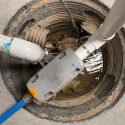
What Is a Sump Pump?
Installing a sump pump is critical for homeowners looking to protect their basements from flooding and water damage. This device plays a vital role in managing excess water by collecting and redirecting it away from the home's foundation. Particularly beneficial for homes in flood-prone areas, a sump pump helps maintain the structural integrity of a house while preventing costly damage and mold growth. This blog explores the importance of sump pumps and how they offer peace of mind through effective flood prevention.
Benefits of Sump Pumps
 By design, sump pumps collect water that gathers in a sump pit, typically located in the basement or crawl space, and pump it out away from the home's foundation. Here are the key benefits of a sump pump installation:
- Prevents Basement Flooding: The primary function of a sump pump is to remove water that could otherwise flood a basement. This is especially crucial during heavy rains or rapid snowmelt when water levels rise quickly.
- Protects the Foundation: Water accumulation around a home's foundation can lead to cracks and structural damage. Sump pumps help divert water away, preventing potential long-term harm and maintaining the integrity of the building.
- Reduces Mold and Mildew Growth: High moisture levels create an ideal environment for mold and mildew, which can damage property and pose health risks. Sump pumps help control indoor humidity and improve air quality by keeping the basement dry.
- Increases Property Value: A home with effective flood prevention measures is more appealing to prospective buyers. An installed sump pump signals proactive maintenance, often viewed as a valuable asset.
- Offers Peace of Mind: Knowing that a sump pump is in place provides reassurance during storms or other weather events. Homeowners can rest easy, confident that they have a reliable defense against water intrusion.
Overall, sump pumps are cost-effective to prevent potential flood damage, offering protection and increased peace of mind. By investing in a sump pump, homeowners can safeguard their property, improve indoor conditions, and ultimately protect their investment.
Primary Types of Sump Pumps
When choosing a sump pump for flood protection, it's important to understand the differences between the two main types: submersible and pedestal. Each type has distinct characteristics, along with its own set of advantages and disadvantages.
Submersible Sump Pumps
Pros:
- Powerful Performance: Submersible pumps are designed to handle larger volumes of water, making them particularly effective in homes prone to frequent or severe flooding.
- Quiet Operation: Positioned underwater within the sump pit, these pumps operate with minimal noise, which is ideal for maintaining a peaceful home environment.
- Space-Saving Design: Located inside the sump pit, submersible pumps take up no additional basement or crawl space.
Cons:
- Higher Cost: Submersible pumps are more expensive to purchase and install than pedestal models.
- Shorter Lifespan: Constant exposure to water can affect durability, potentially leading to a shorter operational life than pedestal pumps.
Pedestal Sump Pumps
Pros:
- Affordability: Generally less expensive to buy and install, pedestal pumps are cost-effective for homeowners on a budget.
- Extended Lifespan: With the motor positioned above the sump pit and thus away from water, pedestal pumps typically enjoy a longer lifespan.
- Easy Maintenance: The accessible motor makes it easier to perform regular maintenance or repairs when necessary.
Cons:
- Less Power: Pedestal pumps typically have lower pumping capacity, making them less suitable for areas with significant water influx.
- Noisier Operation: Since the motor is above the pit, pedestal pumps can be louder, potentially causing disturbances in the home.
Selecting the right sump pump involves weighing these pros and cons against specific needs, budget, and the area's flood risk. Both submersible and pedestal sump pumps offer reliable water removal, but understanding their differences can help homeowners choose the best option to protect their property from water damage.
Secondary or Backup Sump Pumps
 While primary sump pumps form the first line of defense against basement flooding, secondary or backup sump pumps are crucial for providing additional security. These backup systems are designed to step in when primary pumps fail or when extra support is needed.
- Protection During Power Outages:
- During heavy storms or extreme weather, power outages can leave electric-powered primary sump pumps inoperative precisely when needed. A battery-operated backup pump can automatically activate during outages, ensuring continuous water removal and preventing flooding when electric power is lost.
- Primary Pump Failure:
- Mechanical failures can occur in any system, and sump pumps are no exception. Backup pumps are a vital safety net if the primary pump malfunctions or is overwhelmed. This redundancy ensures that water continues to be pumped out even if the main system fails, providing additional peace of mind.
- Handling Excessive Water Volume:
- In cases of severe flooding, the primary pump may struggle to manage the high volume of water. A secondary pump can assist by sharing the load, ensuring efficient handling of excess water, and preventing the sump pit from overflowing.
- Enhanced Home Protection:
- Installing a backup system reflects a proactive approach to home maintenance. The added layer of security helps protect against water damage, which can lead to costly repairs and decrease property value.
- Alerts and Monitoring:
- Many backup sump pumps come equipped with alarms and monitoring features, alerting homeowners to issues with the primary system or when the backup is engaged. These alerts enable quick responses to potential problems, further safeguarding the home.
Whether due to power outages, pump failures, or excessive water conditions, having a reliable backup system significantly enhances the home's defense against water intrusion and damage.
About B&L Plumbing and Heating
B&L Plumbing and Heating is a local plumbing, heating, and air conditioning company dedicated to providing top-quality service in Colorado Springs, CO, for over two decades. They provide 24/7 emergency service and competitive rates after hours. Contact them today for sump pump installation services in Colorado Springs, CO.
)
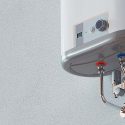

 Since tankless water heaters don't need large storage tanks, they're more space-efficient than their storage counterparts. This can be a huge benefit for those who don't have enough storage space. Similarly, they're ideal for installation in tiny homes, mobile homes, and other small dwellings. While this may not be the biggest selling point for homeowners, it's certainly something to consider.
 )

 Remember the adage, “Oil and water don’t mix.” This is a true statement that is easily illustrated in a grade-school classroom. The secret to getting oil and water to mix is chemicals known as soaps and detergents. These chemicals are special because they can interact with water, oils, and even dirt.
  One of the more annoying consequences of hard water’s diminished capacity to remove soils is its effect on health. When water can’t effectively wash away soaps and soil, the grime stays on the hair and skin, leaving a dull film that adversely affects its health and appearance. This is most evident in dry hair and skin.
 )

 The most important benefit of a water filtration system is that it makes water safe for use. A quality reverse osmosis water filter can remove heavy metals (lead, arsenic, chromium, etc.), bacteria, and other contaminants that negatively affect health.
 Another advantage of filtered water that often gets overlooked is that it can help homeowners cut costs. The expenses can add up quickly if the household relies primarily on bottled water for its drinking water needs. The initial cost of installing a reverse osmosis filtration system is less than some households spend on bottled water every year, so it's an investment that can pay for itself relatively quickly.
)
)
)