
Three Reasons to Go Tankless This Year
As tankless water heaters become increasingly popular, many homeowners are seeking information on this new style of water heater for their homes. Traditional water heaters with tanks only last between ten and fifteen years. And given the more efficient tankless versions, it only makes sense for homeowners to research whether a tankless heater is right for them. After all, increased efficiency should translate to savings on energy bills. But what exactly are the benefits of installing a tankless water heater? Read on to discover the three major advantages of tankless water heater installation.
Increased Energy Efficiency
 Tankless water heaters work by heating water as needed. This is why they're often called on-demand water heaters. Their ability to heat water quickly to be delivered is where much of the energy efficiency comes from. Traditional storage water heaters keep the water at a set temperature all day, even if the water won't be used for hours at a time. This makes it convenient for homeowners, but it's a tradeoff because keeping that water at a temperature takes energy.
However, tankless water heaters aren't ideal for every household. One tankless heater can handle about 41 gallons of water a day (or less) while being between 20% and 35% more efficient than storage water heaters. For households that use more than 41 gallons a day — or use hot water at multiple faucets throughout the house simultaneously — it's often better to install more than one tankless heater to handle the simultaneous hot water use. Fortunately, installing more than one tankless heater in the house can provide even more energy savings.
Neverending Hot Water Supply and Space Savings
 Since tankless water heaters don't need large storage tanks, they're more space-efficient than their storage counterparts. This can be a huge benefit for those who don't have enough storage space. Similarly, they're ideal for installation in tiny homes, mobile homes, and other small dwellings. While this may not be the biggest selling point for homeowners, it's certainly something to consider.
A major benefit is that tankless water heaters never run out of hot water. Since the water is quickly heated as soon as needed, there's no chance of running out of hot water, which can happen with a storage water heater.
Tankless Water Heaters Last Longer
Because traditional water heaters constantly have water in their tanks, they don't last nearly as long as tankless water heaters. When a tank fails on a storage water heater, it's best to replace the entire unit instead of trying to repair the tank. That said, storage water heaters generally last between 10 and 15 years. Conversely, tankless water heaters have a lifespan of 20 years or more.
While the upfront costs of tankless water heater installation are generally higher than those of storage water heaters, they tend to pay for themselves in just a few years. Of course, this depends on the exact hot water habits of the household. This is why it's always good to consult a professional plumber to determine if tankless water heater installation is the best move for the household.
About B&L Plumbing and Heating
The friendly professional at B&L Plumbing and Heating has been serving Colorado Springs, CO, since 1999. B&L is a veteran-owned company that provides no-mess service at a competitive price. Plus, they never charge after-hours fees. Contact them today for tankless water heater installation in Colorado Springs, CO.
)
Distribution Links +
- lifestyle.thepodcastpark.com
- lifestyle.680thefan.com
- lifestyle.xtra1063.com
- lifestyle.953hlf.com
- lifestyle.rewind1019.com
- lifestyle.us983.com
- lifestyle.countrylegends1059.com
- lifestyle.967wshv.com
- lifestyle.1045thedan.com
- michigan.yournewsnet.com
- lifestyle.earl983.com
- lifestyle.maverick1023.com
- lifestyle.magic979wtrg.com
- lifestyle.1077lakefm.com
- lifestyle.kbew98country.com
- lifestyle.kccrradio.com
- lifestyle.capitalcityrock.com
- lifestyle.current943.com
- lifestyle.thedam.fm
- lifestyle.hotcountry931.com
- lifestyle.pierrecountry.com
- lifestyle.kotaradio.com
- lifestyle.q923radio.com
- lifestyle.kynt1450.com
- lifestyle.all80sz1063.com
- lifestyle.myeaglecountry.com
- newsnetmedia.com
- atlanta.newsnetmedia.com
- https://smb.lobservateur.com
- https://smb.panolian.com
- https://smb.alexcityoutlook.com
- https://smb.americustimesrecorder.com
- https://smb.atmoreadvance.com
- https://smb.amnews.com
- https://smb.austindailyherald.com
- https://smb.americanpress.com
- https://smb.dailyleader.com
- https://smb.oxfordeagle.com
- https://smb.vicksburgpost.com
- https://smb.bluegrasslive.com
- https://smb.claiborneprogress.net
- https://smb.clantonadvertiser.com
- https://smb.brewtonstandard.com
- https://smb.demopolistimes.com
- https://smb.elizabethton.com
- https://smb.greenvilleadvocate.com
- https://smb.jessaminejournal.com
- https://smb.kenbridgevictoriadispatch.com
- https://smb.leaderpub.com
- https://smb.luvernejournal.com
- https://smb.selmatimesjournal.com
- https://smb.thesnaponline.com
- https://smb.troymessenger.com
- https://smb.windsorweekly.com
- https://smb.clemmonscourier.net
- https://smb.gatescountyindex.com
- https://smb.harlandaily.com

 Another dangerous issue to watch out for is mold development inside the home’s air ducts or the heater.
  Lastly, overheating a heater or furnace can be extremely dangerous and surprisingly common. Overheating can occur for various reasons, such as restricted airflow (usually due to a dirty furnace filter), short cycling (the unit frequently turns on and off), faulty internal components, or old age.
 )

 If a homeowner has neglected their water heater maintenance or the home has hard water, then sediment can build up in the tank. This can result in poor recovery, that is, how quickly the tank of water comes back up to the optimal temperature after being depleted, and unpleasant sounds can result. Since the water heater is normally quiet, a loud noise from it can certainly be alarming, but it can also indicate a couple of different issues described in the following list.
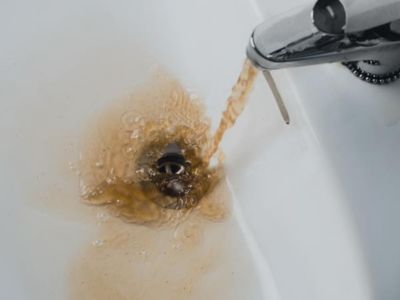 If water comes out of the tap discolored or metallic smelling, this can point to a corroded water heater. This can be due to a lack of maintenance or just age. If the interior lining of the water heater gets damaged, it can expose the tank's metal to corrosive elements. This can cause a host of issues throughout the house.
)

 The
The  Water heaters are much smaller than they were 20 years ago. The
 )
)
)