
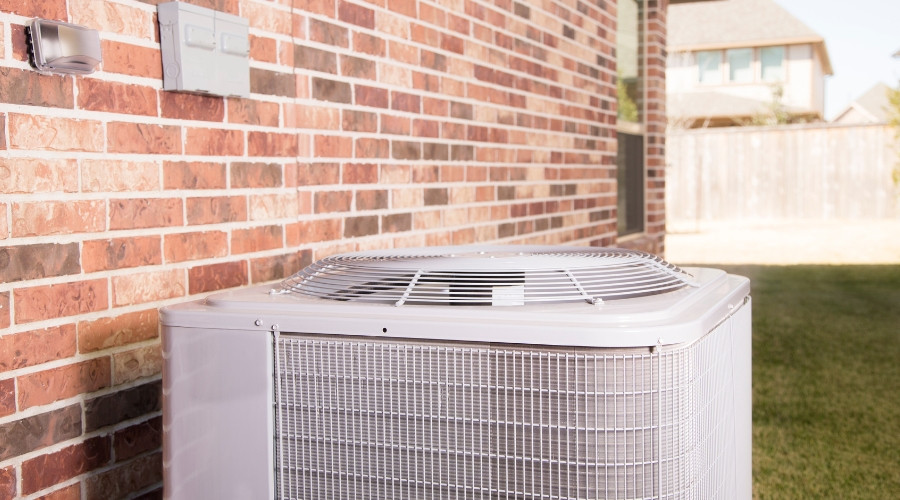
Important Air Conditioning Basics to Know
Understanding the fundamentals of air conditioning can improve energy efficiency, indoor comfort, and overall HVAC system performance. Whether cooling a single room or an entire building, knowing how different systems operate and when to seek professional help can prevent unexpected breakdowns. Regular maintenance and timely repairs also extend system lifespan and reduce energy consumption. A solid grasp of AC basics ensures smarter decisions when choosing, using, or servicing a cooling system.
Common Types of Air Conditioning Systems
 Central air conditioning systems use a network of ducts to distribute cooled air evenly throughout a home or building. These systems rely on a single outdoor compressor and an indoor evaporator coil to regulate temperature in multiple rooms. In contrast, ductless mini-split systems operate without ductwork and consist of individual indoor units connected to an outdoor condenser. This setup allows for zoned cooling, ideal for buildings without existing duct infrastructure or for controlling temperatures in specific areas.
Central AC systems are well-suited for larger homes or buildings that already have ductwork installed. These systems provide consistent cooling and are often integrated with heating systems for year-round climate control. Ductless mini-splits offer flexibility and can be more energy-efficient for smaller spaces or additions where duct installation would be costly. Installation of a mini-split also tends to be less invasive, making it a preferred choice for certain retrofits.
Both system types have their own advantages, depending on the size of the space, insulation, and cooling needs. Central systems excel at whole-home cooling, while ductless systems offer energy savings through zone-specific operation. Choosing the right system involves evaluating existing infrastructure and cooling goals. Energy efficiency ratings, such as SEER (Seasonal Energy Efficiency Ratio), also play a critical role in system selection.
Signs an AC Unit Needs Repair
Weak airflow or warm air coming from the vents can indicate compressor failure or issues with refrigerant levels. Unusual noises, such as banging, grinding, or squealing, often point to mechanical problems that require immediate attention. Persistent odors may suggest mold in the ductwork or burned-out wire insulation. In these cases, scheduling professional AC repair can prevent further damage and restore performance.
Another sign of trouble includes short cycling, where the AC unit turns on and off more frequently than normal. This can result from faulty sensors, thermostat issues, or refrigerant leaks. Higher energy bills without an increase in usage may also point to system inefficiency or a malfunction. Water pooling near the indoor unit could mean a blocked condensate drain or a refrigerant leak, both of which need professional service.
Inconsistent temperatures between rooms may suggest duct issues or an aging unit losing capacity. If the system is over ten years old and frequently requires repairs, replacement may be more cost-effective than continued service. Poor indoor air quality, like excess humidity or dust, also signals performance issues. Timely intervention ensures efficient operation and helps avoid complete system failure during high-demand periods.
The Importance of Maintenance
 Annual air conditioning maintenance by a licensed technician can increase energy efficiency and extend the system’s lifespan. During a maintenance visit, key components like the condenser coil, evaporator coil, and blower motor are cleaned and inspected. Technicians also check refrigerant levels, tighten electrical connections, and test thermostat accuracy. These preventive steps help avoid sudden breakdowns and improve system reliability.
Routine maintenance also identifies minor issues before they become costly repairs. Checking for duct leaks, assessing airflow, and inspecting belts or motors ensures optimal function. Lubricating moving parts reduces friction, which lowers energy use and prevents overheating. Proper calibration of the thermostat ensures accurate temperature control, which enhances overall comfort.
Changing air filters regularly is a simple yet critical part of AC maintenance that should not be overlooked. Unlike professional servicing, filters often need replacement every one to three months, depending on usage and indoor conditions. Clogged filters restrict airflow, reduce efficiency, and can damage components over time. Clean filters support healthier indoor air and more effective cooling throughout the season.
About B&L Plumbing and Heating
B&L Plumbing and Heating is a dependable AC, heating, and plumbing company serving Colorado Springs, CO, and beyond. They offer competitive pricing, fully-stocked trucks, and a no-mess guarantee. Call them for air conditioning services in Colorado Springs, CO.
)

 In the United States, central air units are the most common type of air conditioning system. However, mini-split systems are popular in many other countries and are fast becoming popular here in the US, especially in certain situations.
 Since most homes in the US have central AC systems, homeowners need to know the signs the system needs repair. The most common sign involves a lack of cooling in the home. If the air conditioner seems to run but isn’t blowing cold air or runs for only short periods before cycling off, it’s important to call a professional to have it checked and diagnosed.
 )
 Septic systems normally do their work without complaint or hiccup, but a few indicators indicate that a home requires septic systems repair. Septic tank repair or replacement can be especially onerous and expensive as it can involve digging up the old tank. Hopefully, one can catch the problem through these early warning signs:
 Regular, professional maintenance is key to maintaining any household system. The septic system is no different. Septic system maintenance is primarily septic tank maintenance, although there are sometimes clogs in the drain field that need clearing. Pumping the septic tank is vital for a properly functioning septic system. A homeowner should have this done regularly and consult a professional on how often one should empty their tank.
)
)
)