The Benefits of Investing in Smart Thermostats

Save Money With a Smart Thermostat Installation

Smart thermostat installation offers a direct path to lower energy bills and improved indoor comfort. Automated temperature control eliminates wasteful heating and cooling by adapting to daily usage patterns. This simple upgrade delivers measurable cost savings while enhancing overall system efficiency. Modern climate control becomes both practical and economical through smart technology.

What Is a Smart Thermostat?

thermostatSmart thermostat systems go beyond basic temperature regulation by using intelligent features. These devices analyze usage patterns and make automatic adjustments to heating and cooling cycles. Manual intervention becomes unnecessary as adaptive schedules take over routine changes. Some models rely on sensors, geolocation, or weather data to adjust settings precisely.

Remote access through mobile apps enables full control from any location. Integration with virtual assistants and home security systems expands the functionality further. Real-time reports provide insights into energy consumption and help identify additional savings opportunities. Rebates from utility providers often support installation due to the energy efficiency gains.

Benefits of a Smart Thermostat Installation

save money Significant savings on heating and cooling expenses often follow smart thermostat installation. Intelligent programming adjusts temperatures automatically based on occupancy and daily schedules. Unused rooms no longer receive unnecessary heating or cooling, reducing energy consumption across the household. EPA data suggests notable percentage reductions in utility costs following adoption.

The impact extends to system longevity by minimizing wear on HVAC components. Remote features help prevent energy waste during travel or extended absences. Real-time monitoring ensures optimal performance at all times. A return on investment typically occurs within two years through consistent monthly savings.

Signs It May Be Time to Replace a Thermostat

Thermostat replacement becomes necessary when heating and cooling systems respond unpredictably. Inconsistent temperatures across rooms indicate communication breakdowns between the thermostat and HVAC equipment. A malfunctioning display or frequent cycling on and off suggests internal failure.

Unexpected increases in energy bills may arise from inaccurate temperature regulation. Extended strain on HVAC components results from overcompensation, reducing system lifespan. Faulty humidity control can contribute to poor air quality and discomfort indoors. Timely replacement prevents long-term damage and supports efficient operation.

About B&L Plumbing and Heating

B&L Plumbing and Heating is a dependable AC, heating, and plumbing company serving Colorado Springs and the surrounding area. They offer competitive pricing, fully-stocked trucks, and a no-mess guarantee. Call them for smart thermostat services in Colorado Springs, CO.

Advantages of Installing a Water Softener

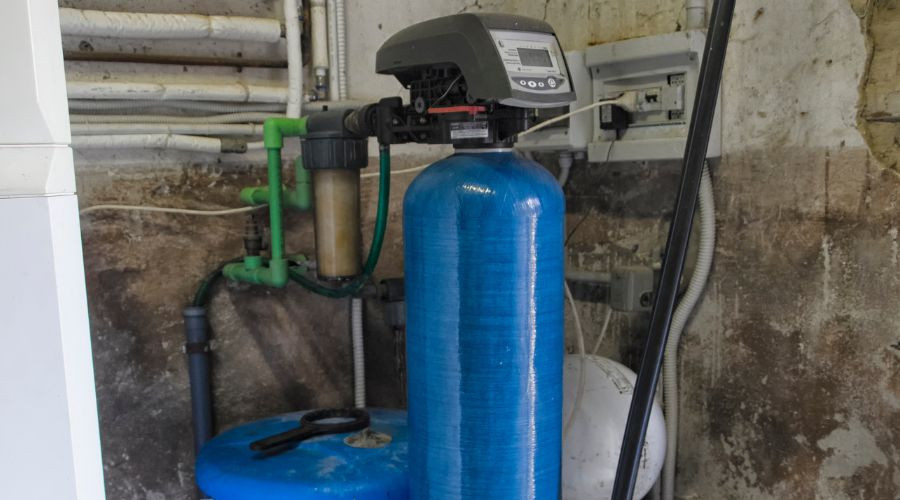
Water softener system in residential setting, featuring a blue tank and control unit, illustrating solutions for hard water issues related to plumbing and appliance maintenance.

Why Soften Hard Water?

Hard water creates daily challenges by damaging appliances and leaving behind unsightly spots on dishes and surfaces. Mineral buildup leads to higher maintenance costs and reduces the lifespan of water-using equipment. Installing a water softener eliminates these issues at the source, offering a reliable and long-term solution. This simple upgrade enhances property value and creates a more comfortable, low-maintenance living environment.

Protection for the Plumbing and Appliances

Hard water causes gradual mineral accumulation inside pipes, which restricts water flow and lowers pressure throughout the plumbing system. These deposits make it easier for debris to catch and form clogs, increasing the need for costly repairs. By softening the water, scale buildup is prevented, allowing the plumbing to function efficiently for many years.

Softened water also protects appliances such as dishwashers and water heaters from internal damage. Without constant scale formation, these machines operate more effectively and require less frequent maintenance. As a result, both water flow and appliance efficiency improve significantly.

Improved Appliance Efficiency and Cost Savings

Softened water increases appliance efficiency, leading to lower energy usage and reduced utility bills. Without mineral buildup, appliances like water heaters and washing machines operate under less strain. This allows them to perform at optimal levels, conserving energy with every use.

The extended lifespan of appliances is another key benefit. Hard water shortens equipment durability by damaging internal components, while softened water helps appliances last 30–50% longer. This reduction in wear and tear minimizes repair costs and delays the need for replacements. In the long term, the initial investment in a water softening system often pays for itself.

More Effective Cleaning

Person loading colorful towels into a washing machine, illustrating the benefits of softened water for laundry efficiency and fabric care.Softened water eliminates common hard water problems such as spots on dishes and cloudy glassware. Appliances like dishwashers clean more thoroughly when freed from mineral interference. The absence of hard deposits allows detergents to rinse away cleanly, leaving surfaces sparkling.

Laundry also benefits from soft water. Fabrics retain color and softness much longer, avoiding the stiffness caused by mineral buildup. Additionally, the need for cleaning products decreases significantly because soap reacts more efficiently in softened water. This not only lowers household costs but also contributes to a more environmentally responsible lifestyle.

Healthier Skin and Hair

Woman with frizzy hair holding sections of her hair, illustrating the benefits of softened water for healthier hair and improved manageability.Softened water helps improve the condition of skin and hair by removing minerals that interfere with soaps and shampoos. Hard water leaves behind residue that clogs pores and strips away natural oils, contributing to dryness and irritation.

When bathing with softened water, skin tends to feel more hydrated and smooth, while soaps rinse away more completely. Hair becomes softer and easier to manage without the weight of mineral deposits. These benefits are especially noticeable for chemically treated or sensitive hair types, making soft water a valuable part of a personal care routine.

Call B&L Plumbing and Heating

B&L Plumbing and Heating is a dependable AC, heating, and plumbing company serving Colorado Springs, CO. They offer competitive pricing, fully stocked trucks, and a no-mess guarantee. Call them for water softener installation & repair services in Colorado Springs, CO.

Distribution Links +

Top Benefits of Ductless Mini Splits

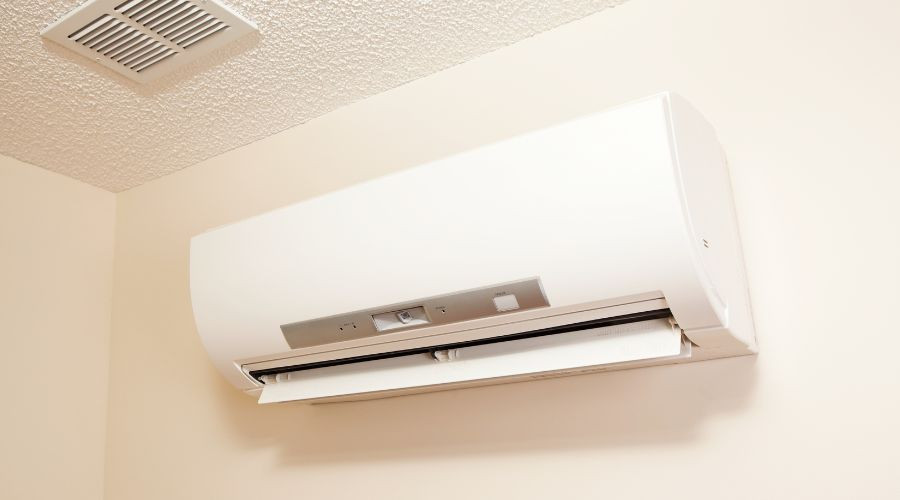
Sleek wall-mounted air conditioning unit with control panel, provided by B&L Plumbing for efficient climate control.

Why Install a Ductless Mini Split Air Conditioner?

Ductless mini splits offer a transformative approach to indoor comfort by lowering energy costs and eliminating noise associated with traditional systems. These energy-efficient units present a smart, cost-effective alternative to outdated HVAC setups. Lower utility bills and reliable, consistent warmth can be achieved with this advanced technology. Modern mini splits deliver comfort and peace of mind through powerful performance and quiet operation.

Lower Energy Bills

save money Ductless mini split systems significantly reduce monthly energy expenses due to their high energy efficiency ratings. Unlike conventional HVAC systems, mini splits eliminate the need for ductwork, avoiding the 25–30% energy loss typically caused by duct leaks. Zone-based climate control allows energy use only where and when it’s required. Energy savings begin immediately after installation.

Efficiency gains come from advanced inverter technology, allowing compressors to run at variable speeds instead of full-power cycles. Once the desired temperature is reached, the system maintains it using lower power rather than shutting off completely. This leads to an estimated 30–40% reduction in energy consumption compared to traditional central air systems, based on data from the U.S. Department of Energy.

Many mini splits also qualify for energy rebates and tax incentives, thanks to high SEER (Seasonal Energy Efficiency Ratio) ratings—often 20 or more. Additional smart features such as programmable timers and motion sensors help fine-tune energy use by preventing unnecessary cooling or heating of unoccupied rooms. These innovations provide rapid return on investment through noticeable reductions in monthly utility bills.

Easier Installation

acInstallation of ductless mini splits is far more streamlined than that of traditional HVAC systems. With no need for bulky ductwork, the process can often be completed in a single day. The primary components include an outdoor compressor, one or more indoor air-handling units, and a conduit that houses power and refrigerant lines—requiring only a small wall opening for connection.

Only a 3-inch hole is needed for conduit installation, unlike traditional systems which require large-scale duct construction through walls, ceilings, and floors. Removing the need for ducts frees up usable space and avoids altering ceiling height or closet dimensions. Indoor units can be positioned based on optimal airflow rather than restricted duct layouts.

Installation labor is minimized by avoiding duct-related construction, reducing both cost and time. Unlike conventional systems, which often involve several contractors and prolonged installation timelines, ductless systems typically need only a small team and minimal tools. Without ducts to balance or seal, airflow management becomes simpler and cleaner, with little construction mess left behind.

Ideal for retrofitting older homes, ductless systems provide effective climate control without damaging architectural integrity. No invasive wall or ceiling reconstruction is needed, making this an excellent solution for heritage properties or structures lacking pre-existing ductwork.

A small three-inch conduit connection is sufficient to preserve interior aesthetics while delivering modern efficiency. These systems avoid space loss to large ductwork and reduce the need for ceiling modifications. Historic properties benefit from non-destructive installation that maintains original design while enhancing indoor comfort.

Properties with tight attic or basement spaces also benefit greatly from ductless solutions. Where ductwork is impractical or impossible, mini splits provide a slim-profile, efficient alternative. Indoor air handlers mount directly to walls or ceilings, conserving valuable floor and storage space. Zone-specific temperature control becomes possible without large-scale renovations.

Zoning and Flexibility

Ductless mini splits deliver unmatched zoning capabilities, revolutionizing indoor climate control. Instead of maintaining one uniform temperature throughout an entire building, these systems allow different rooms or areas to be independently heated or cooled. Separate zones can be created for bedrooms, living areas, and less frequently used spaces.

With this configuration, different areas remain at different temperatures simultaneously, accommodating individual comfort preferences without affecting the rest of the structure. Data from the Department of Energy shows that targeted temperature control can reduce energy use by up to 30% compared to centralized HVAC systems. No energy is wasted on empty rooms or rarely used spaces.

Flexible installation options further enhance zoning effectiveness. Air handlers can be wall-mounted, ceiling-recessed, or installed as floor units depending on the layout of each room. Many units offer programmable settings and smart controls, enabling tailored schedules for heating and cooling each zone as needed. Intelligent energy use and comfort customization result in consistent climate control and more efficient use of energy across the property.

About B&L Plumbing and Heating

B&L Plumbing and Heating is a dependable AC, heating, or plumbing services company serving Colorado Springs, CO, and the surrounding areas. They offer competitive pricing, fully-stocked trucks, and quality products. Call them for ductless mini split AC systems in Colorado Springs, CO.

Install a Sump Pump for Reliable Flood Protection

install a sump pump for reliable flood protection

What Is a Sump Pump?

Installing a sump pump is critical for homeowners looking to protect their basements from flooding and water damage. This device plays a vital role in managing excess water by collecting and redirecting it away from the home's foundation. Particularly beneficial for homes in flood-prone areas, a sump pump helps maintain the structural integrity of a house while preventing costly damage and mold growth. This blog explores the importance of sump pumps and how they offer peace of mind through effective flood prevention.

Benefits of Sump Pumps

Hand inserting a hundred-dollar bill into a pink piggy bank, symbolizing savings and financial security.By design, sump pumps collect water that gathers in a sump pit, typically located in the basement or crawl space, and pump it out away from the home's foundation. Here are the key benefits of a sump pump installation:

  • Prevents Basement Flooding: The primary function of a sump pump is to remove water that could otherwise flood a basement. This is especially crucial during heavy rains or rapid snowmelt when water levels rise quickly.
  • Protects the Foundation: Water accumulation around a home's foundation can lead to cracks and structural damage. Sump pumps help divert water away, preventing potential long-term harm and maintaining the integrity of the building.
  • Reduces Mold and Mildew Growth: High moisture levels create an ideal environment for mold and mildew, which can damage property and pose health risks. Sump pumps help control indoor humidity and improve air quality by keeping the basement dry.
  • Increases Property Value: A home with effective flood prevention measures is more appealing to prospective buyers. An installed sump pump signals proactive maintenance, often viewed as a valuable asset.
  • Offers Peace of Mind: Knowing that a sump pump is in place provides reassurance during storms or other weather events. Homeowners can rest easy, confident that they have a reliable defense against water intrusion.

Overall, sump pumps are cost-effective to prevent potential flood damage, offering protection and increased peace of mind. By investing in a sump pump, homeowners can safeguard their property, improve indoor conditions, and ultimately protect their investment.

Primary Types of Sump Pumps

When choosing a sump pump for flood protection, it's important to understand the differences between the two main types: submersible and pedestal. Each type has distinct characteristics, along with its own set of advantages and disadvantages.

Submersible Sump Pumps

Pros:

  • Powerful Performance: Submersible pumps are designed to handle larger volumes of water, making them particularly effective in homes prone to frequent or severe flooding.
  • Quiet Operation: Positioned underwater within the sump pit, these pumps operate with minimal noise, which is ideal for maintaining a peaceful home environment.
  • Space-Saving Design: Located inside the sump pit, submersible pumps take up no additional basement or crawl space.

Cons:

  • Higher Cost: Submersible pumps are more expensive to purchase and install than pedestal models.
  • Shorter Lifespan: Constant exposure to water can affect durability, potentially leading to a shorter operational life than pedestal pumps.
    Pedestal Sump Pumps

Pros:

  • Affordability: Generally less expensive to buy and install, pedestal pumps are cost-effective for homeowners on a budget.
  • Extended Lifespan: With the motor positioned above the sump pit and thus away from water, pedestal pumps typically enjoy a longer lifespan.
  • Easy Maintenance: The accessible motor makes it easier to perform regular maintenance or repairs when necessary.

Cons:

  • Less Power: Pedestal pumps typically have lower pumping capacity, making them less suitable for areas with significant water influx.
  • Noisier Operation: Since the motor is above the pit, pedestal pumps can be louder, potentially causing disturbances in the home.

Selecting the right sump pump involves weighing these pros and cons against specific needs, budget, and the area's flood risk. Both submersible and pedestal sump pumps offer reliable water removal, but understanding their differences can help homeowners choose the best option to protect their property from water damage.

Secondary or Backup Sump Pumps

Backup sump pumps in a basement setting, featuring a yellow and white pump next to a sump pit, illustrating flood protection solutions for homeowners.While primary sump pumps form the first line of defense against basement flooding, secondary or backup sump pumps are crucial for providing additional security. These backup systems are designed to step in when primary pumps fail or when extra support is needed.

  • Protection During Power Outages:
  • During heavy storms or extreme weather, power outages can leave electric-powered primary sump pumps inoperative precisely when needed. A battery-operated backup pump can automatically activate during outages, ensuring continuous water removal and preventing flooding when electric power is lost.
  • Primary Pump Failure:
  • Mechanical failures can occur in any system, and sump pumps are no exception. Backup pumps are a vital safety net if the primary pump malfunctions or is overwhelmed. This redundancy ensures that water continues to be pumped out even if the main system fails, providing additional peace of mind.
  • Handling Excessive Water Volume:
  • In cases of severe flooding, the primary pump may struggle to manage the high volume of water. A secondary pump can assist by sharing the load, ensuring efficient handling of excess water, and preventing the sump pit from overflowing.
  • Enhanced Home Protection:
  • Installing a backup system reflects a proactive approach to home maintenance. The added layer of security helps protect against water damage, which can lead to costly repairs and decrease property value.
  • Alerts and Monitoring:
  • Many backup sump pumps come equipped with alarms and monitoring features, alerting homeowners to issues with the primary system or when the backup is engaged. These alerts enable quick responses to potential problems, further safeguarding the home.

Whether due to power outages, pump failures, or excessive water conditions, having a reliable backup system significantly enhances the home's defense against water intrusion and damage.

About B&L Plumbing and Heating

B&L Plumbing and Heating is a local plumbing, heating, and air conditioning company dedicated to providing top-quality service in Colorado Springs, CO, for over two decades. They provide 24/7 emergency service and competitive rates after hours. Contact them today for sump pump installation services in Colorado Springs, CO.

Indications of a Refrigerant Leak

indications of a refrigerant leak

How To Tell if the AC Is Leaking Refrigerant and Needs Repair

A refrigerant leak may seem like a minor issue at first, but it can quickly turn into a major concern, especially when an air conditioning system malfunctions or a refrigerator fails to cool during the sweltering summer months. Often subtle and easy to overlook, these leaks can lead to significant problems that affect both comfort and finances. Not only do they decrease the efficiency of cooling systems, resulting in higher energy bills, but they also pose potential health and environmental risks. 

Recognizing the signs of a refrigerant leak can help homeowners address the issue before it becomes more serious, saving both money on repairs and avoiding unnecessary stress. This guide delves into the common indicators of refrigerant loss and offers steps to address this frequent yet serious issue.

Frozen Evaporator Coils

A frozen evaporator coil often signals a refrigerant leak within a refrigeration system. When refrigerant levels decrease due to a leak, the remaining refrigerant in the evaporator coil expands excessively, causing the temperature to drop significantly below normal operating ranges. This overcooling leads to moisture in the air freezing on the coils, ultimately forming a thick layer of ice that can completely encase the component.

The buildup of ice creates a damaging cycle: as the coils freeze over, they become less efficient at transferring heat, which forces the system to work harder even as its cooling performance declines. In a well-functioning system, the refrigerant effectively absorbs heat from the air that flows over the evaporator coils at a consistent pressure and temperature. However, when refrigerant levels drop due to a leak, this balance is thrown off, leading to ice formation. If the ice starts to accumulate on the evaporator coils, it’s crucial to have a qualified HVAC technician evaluate the system. Continuing to operate the unit with low refrigerant can cause significant harm to the compressor.

The AC Is Not Cooling Properly

Man in a kitchen looking concerned while holding documents, reflecting anxiety over air conditioning issues and refrigerant leaks.When an air conditioner has a refrigerant leak, one of the first signs is a drop in its cooling efficiency. Refrigerant is the crucial substance that absorbs heat from the indoor air and releases it outdoors. If the refrigerant levels dip below what the manufacturer recommends, the system struggles to transfer heat effectively. As a result, even if the thermostat is set to a cooler temperature, the warm air blowing from the vents may feel only slightly cool rather than refreshingly chilled.

When an air conditioning system operates with reduced efficiency, it has to run for longer periods to reach the desired temperature, leading to extended cooling cycles. The system strains to make up for the decreased refrigerant levels, which results in a noticeable increase in energy consumption and, ultimately, higher utility bills. Moreover, using low refrigerant levels puts additional stress on other components, potentially causing further damage if the issue isn't addressed quickly. A well-functioning air conditioning system keeps refrigerant levels consistent, as the refrigerant works in a closed loop and isn't consumed during regular operation.

Unusual Sounds

Person cupping hand to ear, symbolizing attentive listening for unusual sounds from air conditioning systems, related to refrigerant leaks.Unusual sounds coming from an air conditioner or fridge might seem like just an annoying noise, but they could actually be a sign of a refrigerant leak. When refrigerant escapes through a crack or hole in the system's pipes, it creates some pretty distinctive sounds. One of the most common is a high-pitched hissing or whistling, similar to air escaping from a balloon.

If the leak is near the evaporator coil, bubbling or gurgling sounds may be heard. This occurs when the refrigerant transitions from liquid to gas at the leak site, causing turbulence within the system. Additionally, a refrigerant leak forces the compressor to work harder, which could lead to unusual clicking or buzzing noises. Any of these sounds should be addressed by a professional HVAC technician, as ignoring the issue can result in more significant and costly damage later on.

About the Company

B&L Plumbing and Heating has been providing expert plumbing and HVAC solutions since 1999. With over two decades of experience, they have earned a reputation as the trusted plumbing and HVAC professionals for Colorado Springs and surrounding areas, known for their commitment to quality craftsmanship. As a veteran-owned business, B&L Plumbing and Heating is dedicated to delivering reliable service. Contact them for AC refrigerant leak repairs in Colorado Springs, CO.